Capture stunning travel memories without professional equipment. Learn composition, lighting, and smartphone techniques to improve your travel photos.
Great travel photography isn't about expensive cameras – it's about seeing light, understanding composition, and capturing moments that tell stories. Modern smartphones produce stunning images when used thoughtfully. This guide helps beginners create memorable travel photos.
Understanding Light
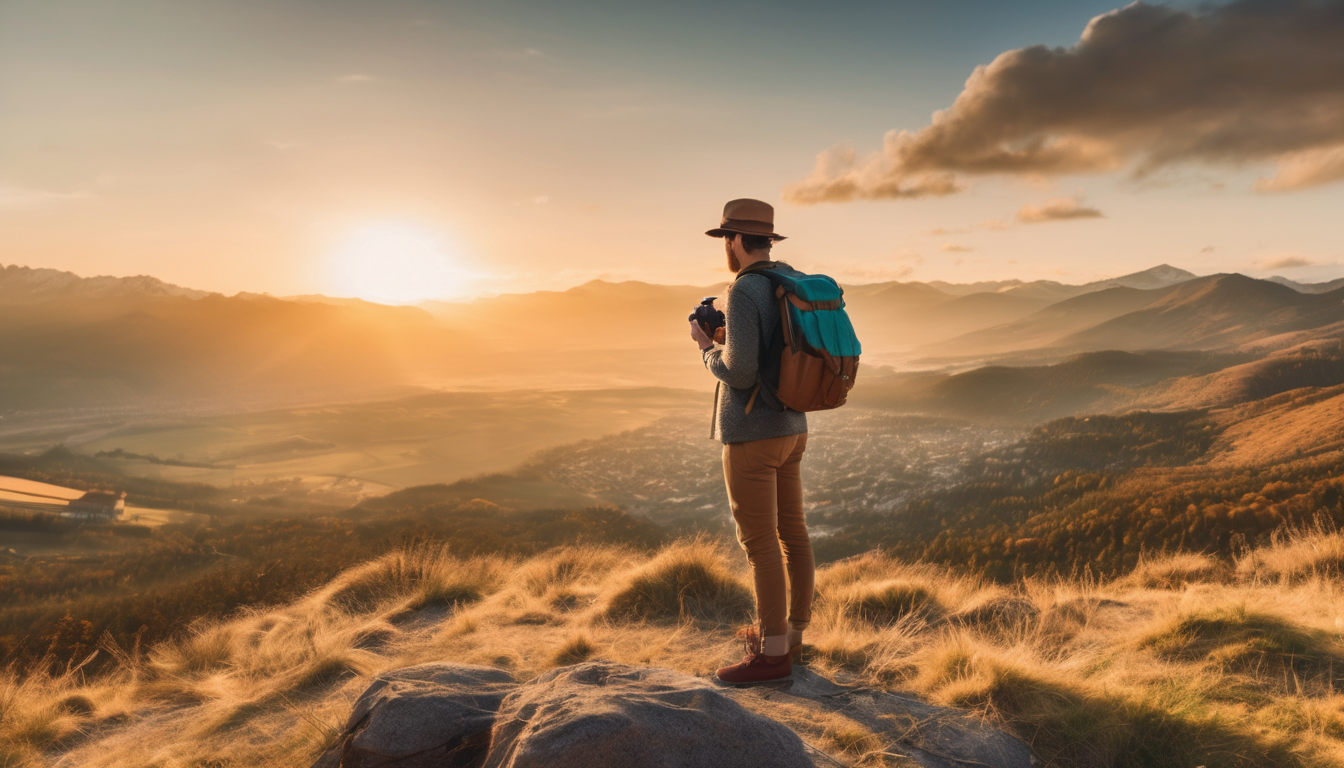
Light quality matters more than camera quality. Golden hour (hour after sunrise, hour before sunset) provides warm, soft light that flatters every subject. Midday sun creates harsh shadows – avoid it for portraits and consider it for dramatic architecture.
Overcast days diffuse light evenly, perfect for portraits and details. Bright sun works for beaches and water where reflections add interest.
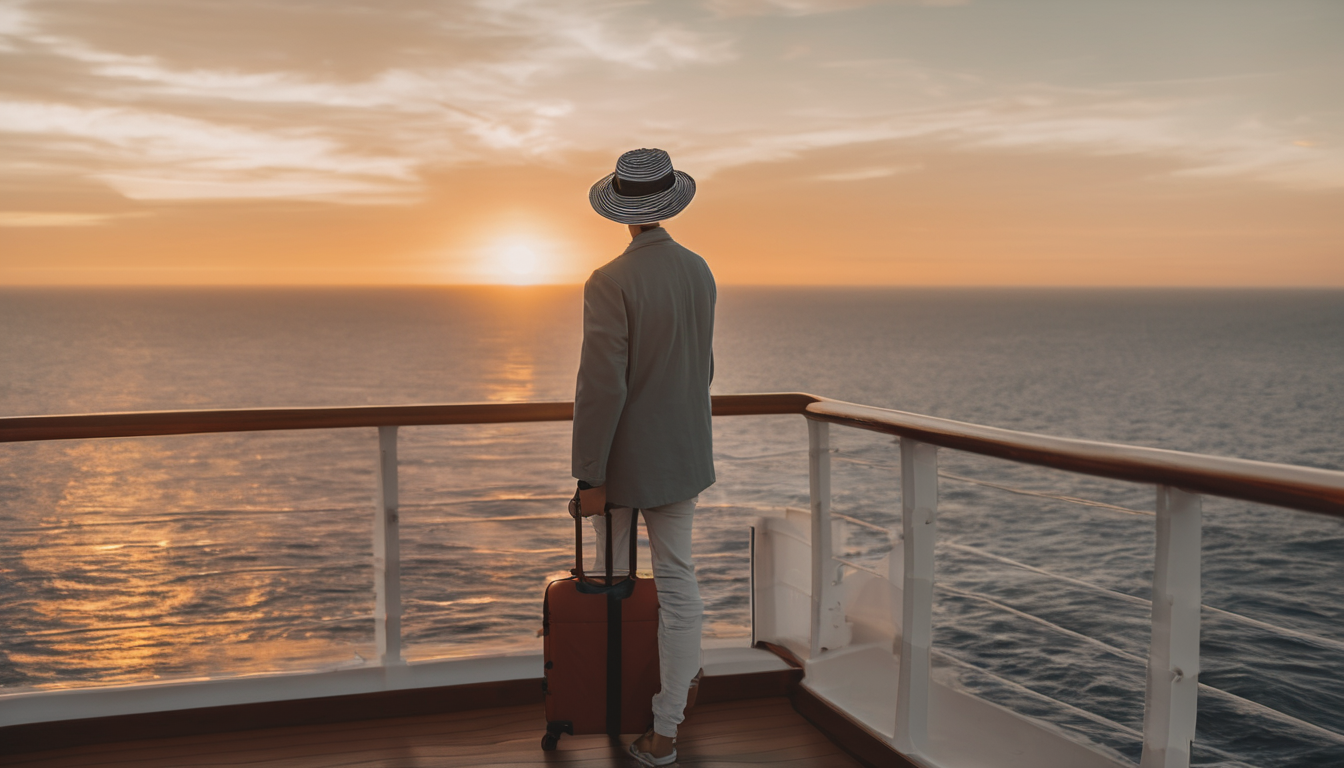
Backlighting (sun behind subject) creates silhouettes or, with proper exposure, glowing rim light. Front lighting (sun behind photographer) provides even illumination but can look flat.
Indoor photography requires finding available light. Position subjects near windows. Avoid mixing light sources (daylight and incandescent) which creates odd color casts.
Composition Basics
Rule of Thirds: Imagine your frame divided into a 3x3 grid. Place subjects along grid lines or at intersections rather than dead center. Enable grid overlay in your camera app.
Leading Lines: Roads, rivers, fences, and architecture naturally guide the viewer's eye through images. Position lines to lead toward your main subject.
Framing: Use doorways, windows, arches, or foliage to frame subjects. This adds depth and draws attention to the focal point.
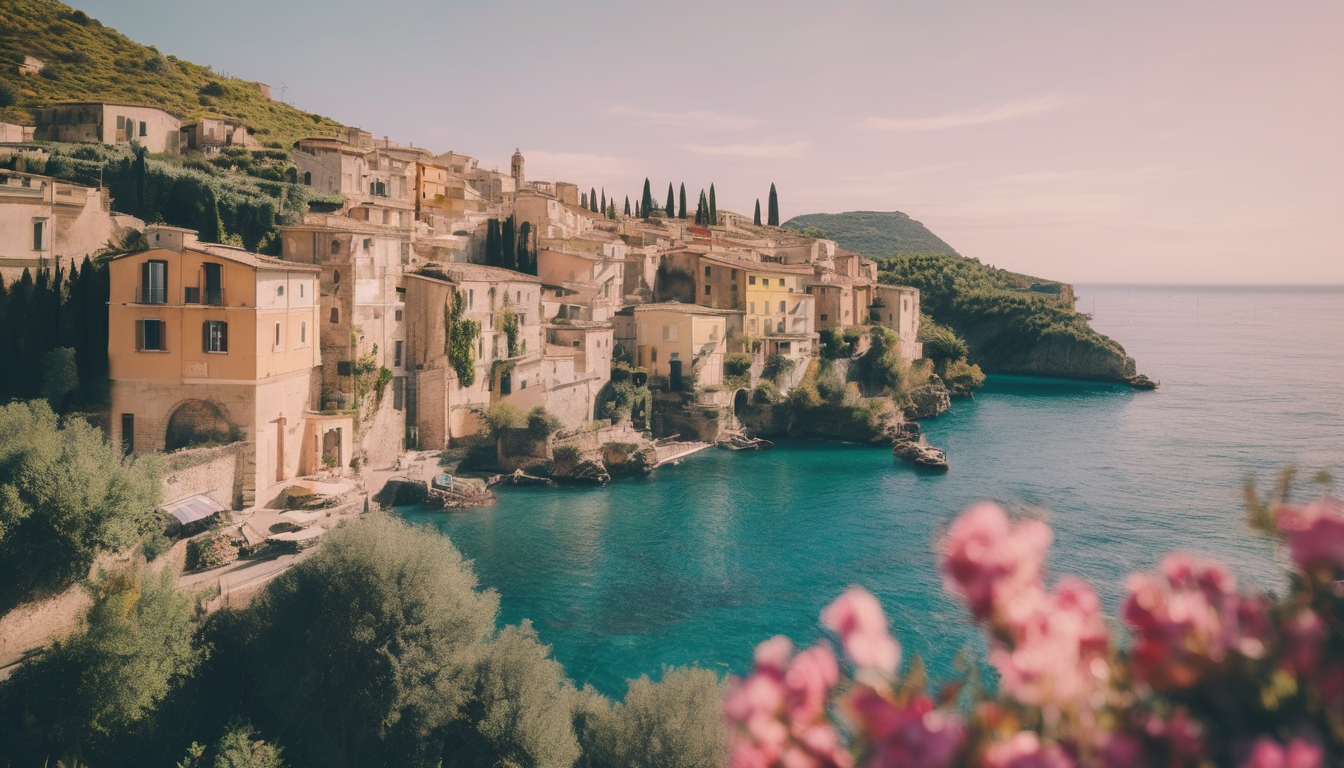
Foreground Interest: Include elements in the foreground to create depth. Flowers, rocks, or reflections in the front add dimension beyond flat snapshots.
Negative Space: Empty space around subjects can strengthen composition. A person small against vast landscape conveys scale and solitude.
Symmetry and Patterns: Architectural symmetry creates powerful images. Look for repeating patterns in markets, streets, and buildings.
Smartphone Photography Tips
Clean your lens. Phones live in pockets, accumulating smudges that soften images.
Tap to focus and expose on your main subject. The phone optimizes for what you select.
Avoid digital zoom, which degrades quality. Move closer or crop later.
Use HDR mode for high-contrast scenes (bright sky, shadowed foreground). Disable for moving subjects.
Portrait mode (background blur) works well for people and food. Review results – software isn't perfect.
Experiment with perspectives. Get low, get high, get close. Unusual angles create interesting images.
Burst mode captures action. Hold the shutter for multiple shots and select the best.
Shoot in good light. Smartphone sensors struggle in low light – image quality drops significantly.
Telling Stories Through Images
Establishing shots set the scene: wide views of cities, landscapes, street scenes. These provide context for detail shots.
Detail shots capture specifics: food, textures, hands at work, signs. These add texture to your visual story.
People make places interesting. Candid moments of daily life, portraits with permission, crowds at events – these images have soul.
Actions and moments: Rather than posed shots, capture people doing things. Cooking, praying, playing, working – these images tell stories.
Sequences document processes: a meal being prepared, a craftsperson working, a journey unfolding. Multiple images together tell richer stories than singles.
Practical Travel Photo Tips
Wake up early. Sunrise offers beautiful light, empty streets, and local life beginning. The images are worth the lost sleep.
Return to locations. First visits reveal subjects; return visits capture them better. Light changes everything.
Research iconic shots beforehand, then find your own perspective. Everyone's Eiffel Tower shot looks the same – what can you see differently?
Ask permission for portraits. A smile and gesture often suffices across languages. Respect refusals gracefully.
Back up photos daily. Cloud backup or portable drives protect against loss. Nothing ruins a trip like losing images.
Be present first. Viewing everything through a screen diminishes experience. Capture what matters, then put the phone away.
Editing Basics
Smartphone editing apps (Snapseed, Lightroom Mobile, VSCO) improve images significantly with simple adjustments.
Crop to improve composition. Remove distracting elements, tighten framing, apply rule of thirds retroactively.
Straighten horizons. Tilted horizons distract viewers, especially in water and architecture shots.
Adjust exposure if images are too dark or bright. Lift shadows to reveal details in dark areas.
Boost saturation moderately for punchier colors. Oversaturation looks unnatural – subtlety wins.
Add contrast for dramatic effect. Reduces haziness and adds punch.
Apply filters sparingly. Presets provide starting points, but adjust to taste. Consistency across images creates cohesive albums.
Gear Considerations
Smartphones suffice for most travel photography. Modern phones produce stunning images with less weight and hassle than dedicated cameras.
If upgrading, consider mirrorless cameras for quality with compact size. Sony, Fuji, and Canon offer excellent travel options.
Essential accessories: Portable tripod for night shots and selfies. Power bank for all-day shooting. Lens cleaning cloth.
Travel photography improves with practice and intentionality. Study images you admire, understand what makes them work, then apply those principles to your own vision. The best camera is the one you have with you – use it thoughtfully.