Navigate Japan respectfully with our complete guide to Japanese customs, from chopstick rules to temple etiquette. Avoid common mistakes and impress locals.
Japan's rich cultural traditions create a society of harmonious social interactions. For visitors, understanding basic etiquette shows respect and enhances experiences. Japanese people don't expect foreigners to know every custom, but effort is deeply appreciated. This guide covers essentials for respectful travel.
Basic Social Etiquette
Bowing is Japan's handshake. A slight bow (15 degrees) works for casual greetings. Deeper bows show more respect. When meeting someone important or apologizing, bow lower and longer. Don't worry about perfecting it – the gesture matters more than technique.
Business cards (meishi) are exchanged formally in professional settings. Receive with both hands, study briefly, never write on or pocket immediately. If you're not doing business, this won't apply.
Speaking quietly in public is expected. Trains are silent – talking on phones is prohibited. Keep conversations subdued in restaurants and public spaces. Loud behavior marks tourists negatively.
Shoes and Cleanliness
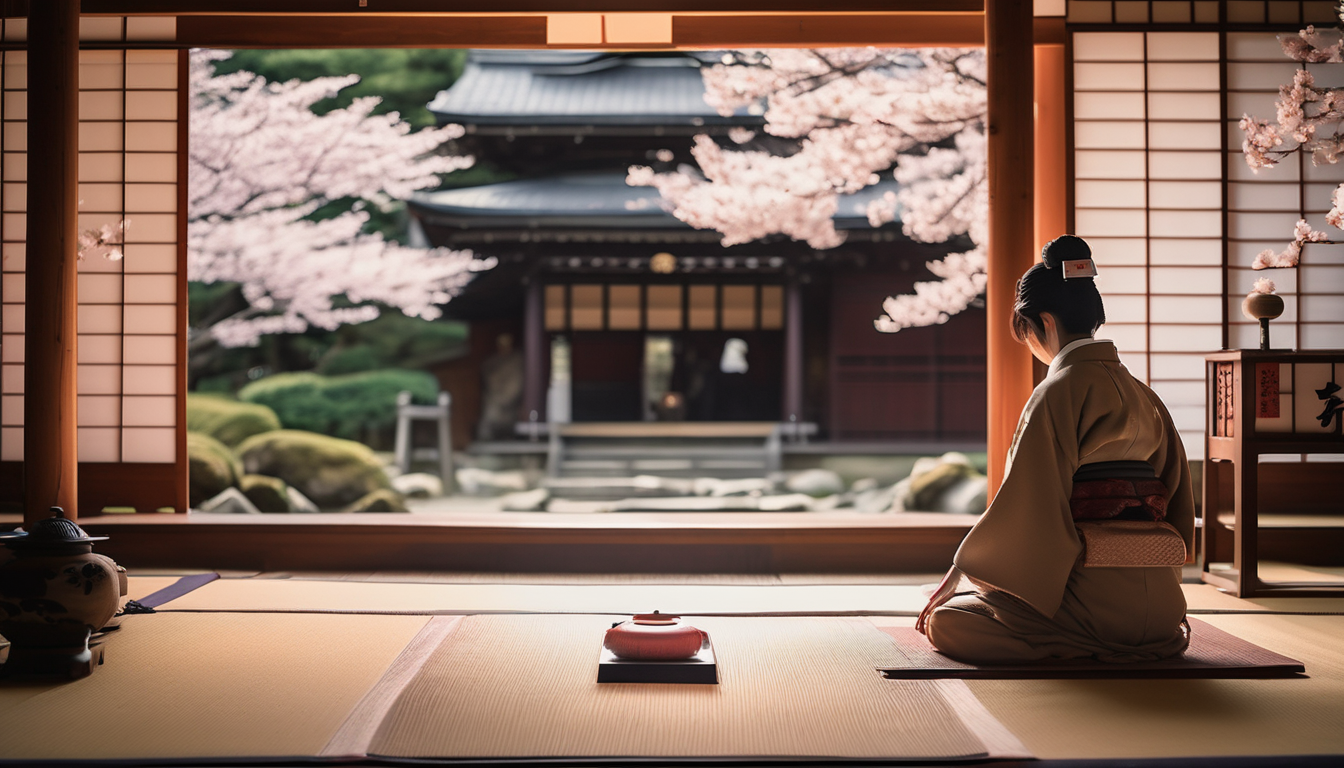
Shoes off is a fundamental rule. Remove shoes when entering homes, traditional restaurants (tatami rooms), temples, some museums, and any time you see shoe racks or slippers provided.
Slippers are often provided for indoor use. Remove even slippers when stepping on tatami mats. Separate toilet slippers exist for bathrooms – don't forget to change back.
Cleanliness obsession is real. Don't blow your nose in public (step aside). Trash cans are rare – carry a small bag for your garbage. Hand sanitizer and tissues are essential.
Dining Etiquette
Chopstick rules matter:
- Never stick chopsticks upright in rice (funeral ritual)
- Don't pass food chopstick-to-chopstick (another funeral association)
- Don't point with chopsticks or wave them around
- Don't rub disposable chopsticks together (implies they're cheap)
Say "itadakimasu" before eating (I humbly receive) and "gochisousama" when finished (thank you for the meal). These phrases show appreciation.
Slurping noodles is correct. It cools them down and shows enjoyment. Soup bowls are lifted to mouth to drink directly. Finish all rice – leaving rice is wasteful.
Pouring drinks for others, not yourself, is polite. Keep companions' glasses filled. They'll reciprocate. At formal meals, the host or most senior person takes the first bite.
Tipping doesn't exist in Japan. Service is included and excellent everywhere. Leaving money could cause confusion or offense.
Temple and Shrine Behavior
At shrine torii gates, bow slightly before entering. Walk to the sides, not the center (reserved for gods).
Purification fountain (temizuya) ritual:
1. Rinse left hand
2. Rinse right hand
3. Pour water into left palm, rinse mouth (don't drink directly)
4. Rinse left hand again
5. Clean ladle by tilting upright
At the main hall, throw a coin, bow twice, clap twice, pray silently, bow once more. At temples (Buddhist), just bow – no clapping.
Photography rules vary. Look for signs. Some areas prohibit photos, especially of Buddha statues and in certain rooms.
Onsen (Hot Spring) Etiquette
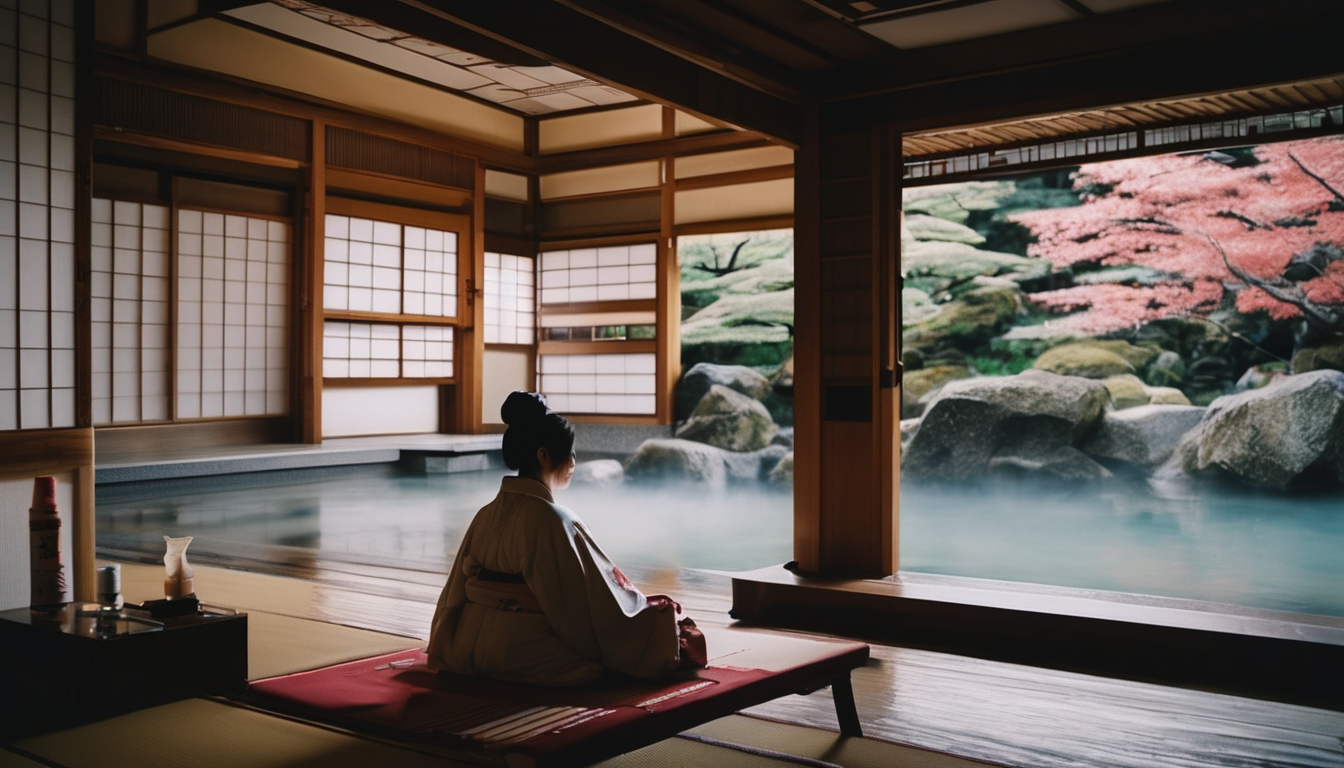
Wash thoroughly before entering the bath. Scrub at the shower station until completely clean. No soap or shampoo should enter the bath water.
Enter naked. Small towels may be used for modesty while walking but shouldn't enter the water. Place towel on your head or beside the bath.
Tattoos traditionally indicate yakuza (gangster) affiliation. Many onsen ban tattoos. Private onsen rooms accommodate tattooed visitors. Some modern facilities are relaxing restrictions.
No swimsuits, no towels in water, no photos, no loud talking. Soak quietly and relax.
Public Transportation
Priority seats exist for elderly, disabled, pregnant, and those with small children. Give up your seat if needed. On escalators, stand left in Tokyo, right in Osaka.
No eating or drinking on trains (except long-distance bullet trains). No phone calls – silent mode is expected. Move backpacks to front or overhead racks.
Queue orderly for trains. Lines form at marked spots on platforms. Wait for passengers to exit before boarding.
Gift Giving
Omiyage (souvenirs) are expected when visiting someone or returning from trips. Regional food specialties are appropriate. Present with both hands.
Wrap gifts nicely. Presentation matters as much as content. Avoid sets of four (unlucky number – sounds like death).
Recipients may decline gifts initially (politeness). Gently insist. Gifts may be opened privately rather than in front of giver.
Common Mistakes to Avoid
- Walking while eating (grab-and-go culture doesn't exist)
- Talking loudly on trains or in public
- Ignoring shoe-removal customs
- Leaving tips
- Being late (punctuality is sacred)
- Public displays of affection (conservative culture)
- Littering (even cigarette butts – use pocket ashtrays)
Positive Gestures
Learning basic Japanese phrases shows respect: "sumimasen" (excuse me), "arigatou gozaimasu" (thank you), "gomen nasai" (sorry). Locals appreciate the effort even if pronunciation isn't perfect.
Carry cash. Japan remains cash-heavy despite modernization. Small bills and coins are useful.
Be patient and flexible. Efficiency is valued, but so is proper process. Don't rush service workers or demand exceptions to rules.
Japan's etiquette may seem complex, but the underlying principle is simple: respect for others and harmony in shared spaces. Follow local cues, apologize for honest mistakes, and approach differences with curiosity rather than frustration.